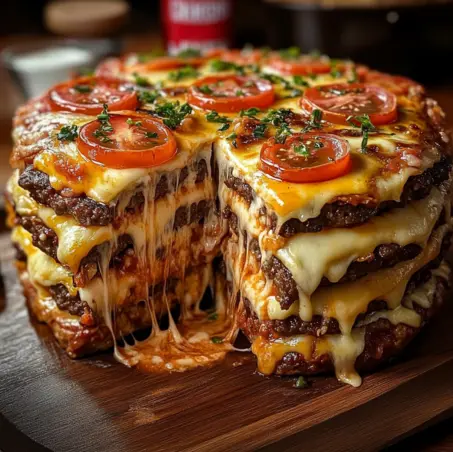

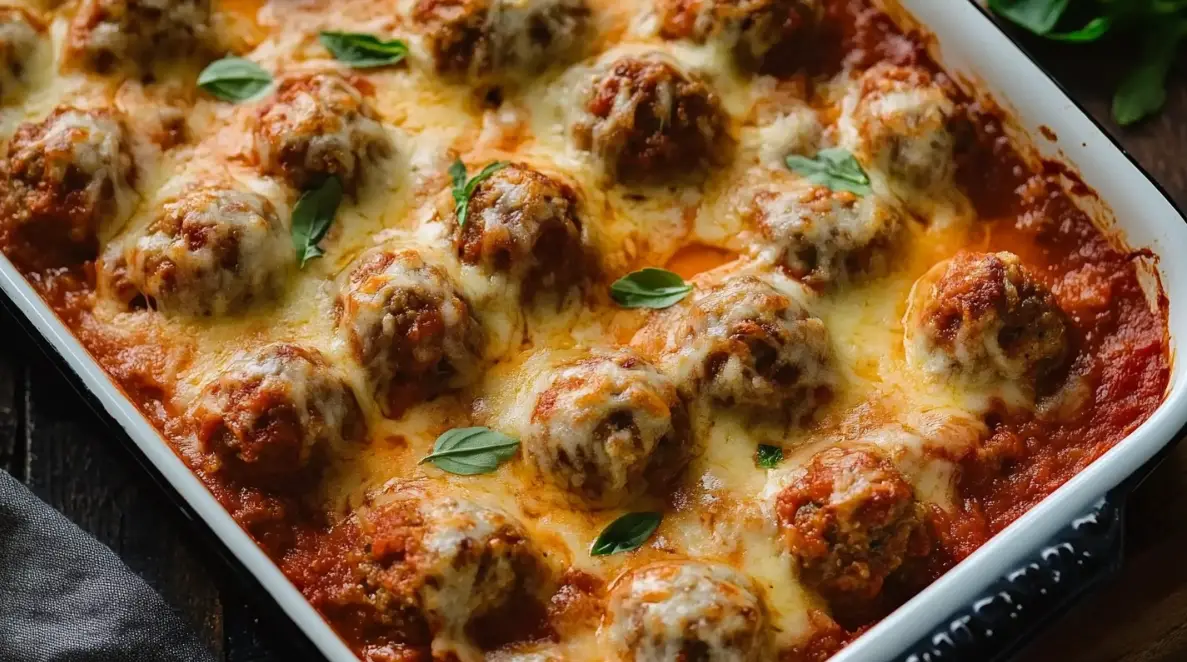
Meatball casserole is a hearty, comforting dish that combines flavorful meatballs, marinara sauce, pasta, and a generous layer of melted cheese, all baked to perfection. It’s a one-pan meal that’s both delicious and convenient, making it a favorite for busy families and those who love a good, home-cooked meal. The beauty of a meatball casserole lies in its versatility—whether you’re preparing it for a weeknight dinner or a casual gathering, it’s sure to please everyone at the table. As casseroles continue to gain popularity in comfort food culture, meatball casseroles stand out as a satisfying, crowd-pleasing option.
Why Meatball Casserole is a Perfect Meal
Meatball casserole is not only simple to make but also ideal for feeding a large group with minimal effort. Its combination of proteins, carbohydrates, and rich flavors provides a balanced and satisfying meal. Depending on the ingredients used, it can also be a nutritious option, especially if lean meats and vegetables are incorporated. Furthermore, this dish can be easily adapted to fit various dietary preferences, whether you’re looking for low-carb, gluten-free, or even vegetarian alternatives. With endless customization options, meatball casserole remains a versatile and reliable choice for any meal occasion.
Basic Ingredients for Meatball Casserole
To make a delicious meatball casserole, you’ll need a few basic ingredients that come together to create this flavorful dish. The primary components include ground meat (beef, pork, turkey, or a combination), marinara sauce, pasta, cheese (mozzarella, ricotta, or Parmesan), and a variety of herbs and spices like oregano, basil, and garlic. While ground beef is traditional, using a mix of meats can add complexity to the flavor.
Freshness matters when it comes to the key ingredients. While store-bought marinara sauces and pre-packaged cheese are convenient, making your own sauce and using freshly grated cheese can significantly enhance the taste. Homemade sauce allows you to control the flavor and sodium content, while freshly grated cheese melts more smoothly and evenly.
Optional additions can be incorporated to customize the dish to your liking. Vegetables like spinach, zucchini, or mushrooms can be layered into the casserole for added nutrition. Similarly, different types of cheese can be used depending on your preference, from sharp cheddar to creamy gouda, to change the flavor profile.
Making the Perfect Meatballs
Creating homemade meatballs for your casserole is easier than you might think. Start by mixing your ground meat of choice with binding ingredients such as breadcrumbs, eggs, and seasonings like salt, pepper, and garlic. Breadcrumbs help the meatballs retain moisture, while the eggs bind the mixture together. Add chopped fresh herbs like parsley for a burst of freshness.
The texture of the meatballs is key. Use a gentle touch when forming the balls to avoid packing them too tightly, which can lead to a tough result. You can also experiment with meat combinations—mixing beef and pork adds richness, while using turkey makes the dish lighter.
Common variations include Italian-style meatballs, which feature Parmesan cheese and Italian seasoning, or spicy meatballs, which can be made with chili flakes or cayenne. For a vegetarian version, plant-based substitutes like lentils or chickpeas work well.
Layering the Casserole
Assembling your meatball casserole properly ensures even cooking and optimal flavor distribution. Start by pre-cooking the pasta or a substitute like zucchini noodles until just al dente, so it doesn’t become mushy during baking. Spread a layer of marinara sauce at the bottom of the baking dish to prevent sticking.
Next, create layers, alternating between pasta, sauce, meatballs, and cheese. The cheese acts as a binder and brings creaminess to the dish, so don’t skimp on it. Mozzarella adds that signature melty texture, while ricotta can be spooned between layers for added richness. You can finish with a generous sprinkle of Parmesan on top for a crispy, golden crust.
Ensure that the layers are evenly distributed, so every bite has a balance of flavors and textures. This also helps the casserole cook evenly throughout, avoiding undercooked or dry spots.
Baking Tips for Meatball Casserole
For the best results, preheat your oven to 375°F (190°C). Bake the casserole uncovered for about 25-30 minutes, or until the cheese is bubbly and golden on top. If you prefer an extra crispy cheese layer, broil the casserole for the last 3-5 minutes of cooking, watching carefully to avoid burning.
To ensure the casserole is cooked through, check that the internal temperature of the meatballs has reached 160°F (71°C). Allow the casserole to rest for 5-10 minutes after removing it from the oven. This helps the layers set and makes it easier to serve.
Healthy Versions of Meatball Casserole
For those seeking a healthier option, there are several ways to modify meatball casserole while maintaining its hearty appeal. Low-carb or keto-friendly versions can substitute traditional pasta with cauliflower rice or zucchini noodles, reducing carbohydrate content without sacrificing flavor. Another popular alternative is using spaghetti squash, which provides a similar texture to pasta but is lighter in calories.
To reduce fat content, opt for leaner meats like ground turkey or chicken instead of beef or pork. Low-fat cheese options, such as part-skim mozzarella or reduced-fat ricotta, can also help lower the overall fat content of the dish without compromising taste.
For gluten-free eaters, gluten-free breadcrumbs can be used in the meatballs, and gluten-free pasta can replace regular pasta. This ensures the dish is accessible to those with dietary restrictions while still delivering the same satisfying experience.
Vegetarian and Vegan Meatball Casseroles
Vegetarian and vegan versions of meatball casserole are just as delicious as their meat-based counterparts. Instead of traditional meatballs, use plant-based options like lentil or chickpea meatballs, which provide a hearty texture and earthy flavor. Tofu can also be formed into meatballs with the right seasoning and binding ingredients.
For vegan alternatives, use dairy-free cheeses like cashew-based mozzarella or almond ricotta, which melt beautifully and mimic the creamy texture of traditional cheeses. Vegan marinara sauces are usually easy to find, but you can also make your own by sautéing fresh tomatoes, garlic, and herbs.
Popular plant-based casserole options include combining vegetables like mushrooms, eggplant, and spinach, which complement the texture of the meatless meatballs while keeping the dish filling and nutritious.
Regional and International Twists
Meatball casserole can take on a variety of international flavors, reflecting different cuisines. For an Italian twist, use basil pesto instead of marinara sauce and add sun-dried tomatoes for a burst of flavor. A Mexican-inspired casserole might incorporate a spicy enchilada sauce, black beans, and corn, topped with a blend of cheddar and Monterey Jack cheeses.
For a Swedish-inspired take, use a creamy gravy and serve with mashed potatoes instead of pasta. These unique ingredients bring global flavors into the classic casserole, allowing for endless experimentation and creativity.
Best Side Dishes to Serve with Meatball Casserole
To complete your meatball casserole meal, consider pairing it with classic sides like garlic bread, which is perfect for sopping up any leftover sauce. A simple green salad with a light vinaigrette balances out the richness of the casserole, adding a refreshing crunch to the meal.
For a more substantial side, roasted vegetables such as Brussels sprouts, broccoli, or zucchini work well with the casserole’s rich flavors. If you’re serving the casserole during the summer months, consider lighter options like a cucumber and tomato salad or grilled vegetables. In contrast, during the colder months, heartier sides like mashed potatoes or roasted root vegetables can add extra warmth and comfort.
Wine and Beverage Pairings
Meatball casserole pairs wonderfully with red wines that complement its rich, savory profile. A robust Chianti or Zinfandel are perfect choices, with their bold flavors balancing the acidity of the marinara sauce and the richness of the cheese. Merlot is another great option for those who prefer a smoother wine.
For non-alcoholic beverages, sparkling water with lemon provides a refreshing contrast, while iced tea or lemonade can offer a crisp, sweet balance to the savory dish.
Serving Meatball Casserole for Gatherings or Meal Prep
Meatball casserole is an excellent choice for gatherings or meal prep due to its ability to be easily scaled up. For larger groups, simply double the recipe and use a larger baking dish. For meal prep, portion individual servings into containers, and it reheats well, making it a perfect make-ahead dish.
Common Mistakes to Avoid
Overcooking the Meatballs
One of the most common mistakes is overcooking the meatballs, resulting in a tough, dry texture. To avoid this, monitor the cooking time closely, especially if you’re using lean meats like turkey. Baking the casserole at the right temperature ensures the meatballs remain tender and juicy.
Soggy Casserole
A soggy casserole can be prevented by controlling the amount of sauce used. Too much sauce can make the dish watery. It’s also important not to overcook the pasta before layering it into the casserole. Pasta should be al dente, as it will continue to cook while baking.
Inconsistent Layers
To avoid uneven cooking or bites with missing ingredients, make sure to layer the casserole evenly. Distribute the pasta, meatballs, sauce, and cheese consistently across the dish to ensure each bite offers a balanced taste of every component.
Undercooked Pasta
If you’re adding pasta to your casserole, be sure to cook it to just under al dente. This will prevent the pasta from becoming too soft during baking, and it will finish cooking in the sauce, absorbing more flavor while maintaining the perfect texture.
FAQs
Can I make meatball casserole ahead of time?
Yes, meatball casserole can easily be made ahead of time. Assemble the casserole as directed, but instead of baking it right away, cover it tightly with plastic wrap or aluminum foil and store it in the refrigerator for up to 24 hours. When you’re ready to bake, allow the casserole to come to room temperature before placing it in the oven. This ensures even cooking. If you need to store it longer, the casserole can be frozen for up to 3 months. Just thaw it overnight in the fridge before baking.
Can I use frozen meatballs in a casserole?
Yes, frozen meatballs are a convenient option for this dish. If using pre-made frozen meatballs, no need to thaw them first. Simply add them to the casserole as instructed, adjusting the baking time slightly to ensure they are fully heated through and have absorbed the flavors of the sauce.
How can I make meatball casserole healthier?
To make a healthier meatball casserole, use lean meats such as turkey or chicken, opt for low-fat cheeses, and consider adding more vegetables like spinach, zucchini, or mushrooms. You can also replace traditional pasta with low-carb options like zucchini noodles or cauliflower rice.
What cheeses work best in a meatball casserole?
Mozzarella is a popular choice for its melty texture, while ricotta adds a creamy richness to the dish. Parmesan, with its sharp, salty flavor, is great for sprinkling on top to create a crispy golden crust. You can mix and match these cheeses to suit your preferences.
Can I freeze leftovers?
Yes, leftover meatball casserole freezes well. To freeze, allow the casserole to cool completely, then portion it into airtight containers or wrap individual servings in aluminum foil. It can be stored in the freezer for up to 3 months. To reheat, thaw it overnight in the fridge and bake until warm.
Print
Meatball Casserole
Description
This meatball casserole is a comforting, hearty dish perfect for family dinners or gatherings. It combines tender, flavorful meatballs, pasta, marinara sauce, and a generous layer of melted cheese baked to golden perfection. The casserole’s versatility makes it easily customizable, from healthy low-carb options to vegetarian versions. With simple ingredients and a straightforward process, this dish can be made ahead of time or frozen for meal prep, offering convenience without sacrificing flavor. Whether you’re cooking for a large crowd or just preparing an easy dinner, this casserole is sure to become a favorite.
Ingredients
- 1 16-ounce package uncooked rotini pasta
- 1 25-ounce jar marinara sauce
- 3 cups water
- 1 14-ounce package fully-cooked miniature meatballs (thawed if frozen)
- 2 cups shredded mozzarella cheese or Italian blend
- Parmesan cheese for extra flavor (optional)
- Fresh chopped herbs basil, oregano, parsley, for garnish (optional)
Instructions
- Preheat the Oven: Preheat oven to 425°F (220°C).
- Prepare the Baking Dish: In a large baking dish, mix uncooked rotini pasta, marinara sauce, water, and fully-cooked meatballs; ensure pasta is covered by sauce and meatballs are evenly distributed.
- Cover and Bake: Cover the dish tightly with aluminum foil and bake for 30 minutes.
- Remove Foil: Remove the foil, stir the casserole, and check if the pasta is tender.
- Add the Cheese: Sprinkle mozzarella cheese evenly over the top, then bake uncovered for an additional 10 minutes until cheese is melted and bubbly.
- Finish and Serve: Let the casserole sit for a few minutes, then garnish with Parmesan cheese and fresh herbs if desired, and serve hot.
Notes
- Customization Options:
- Protein Choices: Use ground beef, pork, turkey, or chicken for the meatballs. If you’re vegetarian, plant-based meatballs made from lentils, tofu, or chickpeas are excellent alternatives.
- Cheese Varieties: Mozzarella is classic for its gooey texture, but you can mix it with ricotta or Parmesan for added creaminess and flavor. Dairy-free cheese can be used for vegan versions.
- Low-Carb Variations: Swap pasta with zucchini noodles, cauliflower rice, or spaghetti squash to keep the dish low-carb and keto-friendly.
- Gluten-Free Adaptations: Use gluten-free pasta and breadcrumbs to make the casserole gluten-free without altering the overall taste.
- Make-Ahead Tips:
- Assemble the entire casserole up to 24 hours before baking. Simply cover and refrigerate until ready to bake.
- For longer storage, freeze the casserole for up to 3 months. When ready to eat, thaw overnight in the fridge and bake.
- Cooking Tips:
- Meatball Texture: Use a mix of breadcrumbs and eggs in the meatball mixture to maintain tenderness. Avoid over-packing the meatballs to keep them light.
- Perfect Pasta: Cook the pasta until it’s al dente, as it will continue to cook in the oven while absorbing the sauce.
- Golden Cheese Topping: For a crispy cheese layer, broil the casserole for 2-3 minutes at the end of baking, but keep an eye on it to prevent burning.
- Freezing and Reheating:
- For meal prep, portion the casserole into individual servings before freezing. Reheat the portions in the oven or microwave for a quick and easy meal.
- Leftovers store well in the fridge for up to 3 days or in the freezer for several weeks.
- Serving Suggestions:
- Pair the casserole with garlic bread, a green salad, or roasted vegetables for a complete meal.
- For wine lovers, this dish pairs well with bold red wines like Chianti or Zinfandel.